Eating in sync with the earth's tempo.
Wellness Daily Guide explores the profound connection between the calendar and the plate. By aligning your diet with local and seasonal food availability, you capture produce at its nutritional peak while supporting the cycle of regional agriculture.
Why freshness dictates wellness.
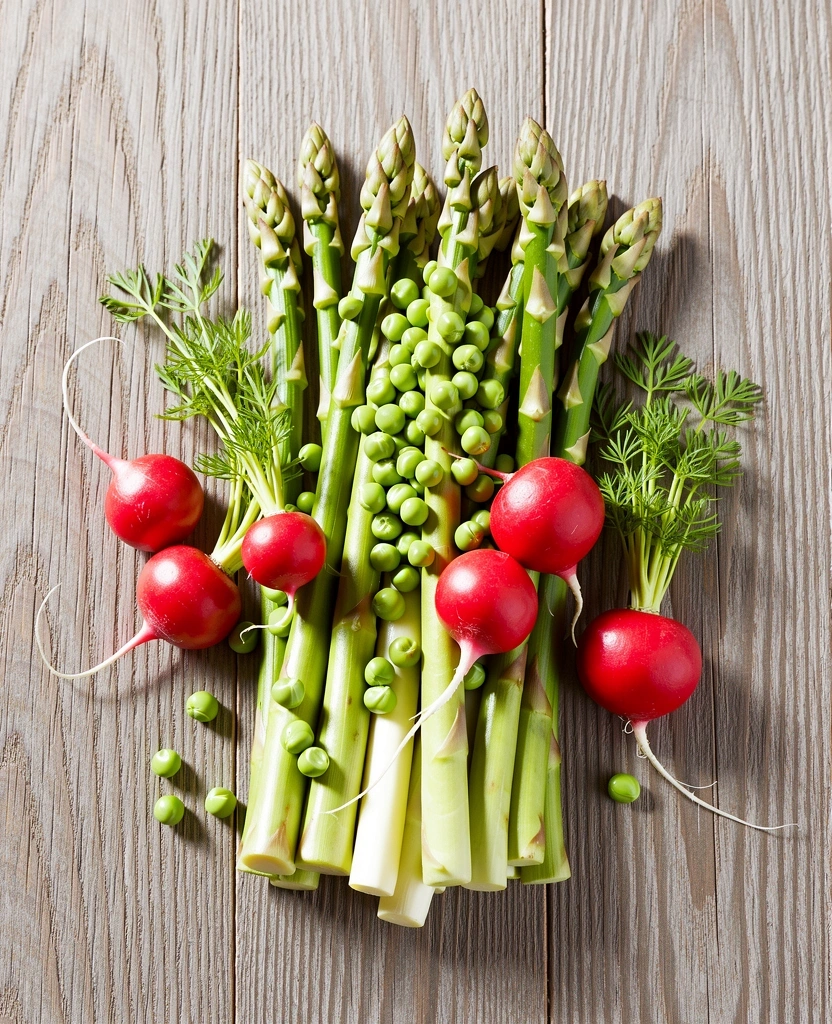
Seasonal eating guide principles go beyond flavor. When food is harvested at full maturity and consumed shortly after, it retains a higher concentration of vitamins and minerals. Produce flown halfway across the world is often picked early, missing the final nutrient-dense ripening phase.
Flavor Integrity
Seasonal food guide enthusiasts know that a tomato in July tastes vastly different from one in January. Natural ripening processes create sugars and oils that artificial ripening chambers cannot replicate.
Economic Balance
When crops are abundant and harvested locally, costs decrease. Eating with the seasons is a practical way to maintain a budget while accessing premium whole foods.
Environmental Stewardship
Choosing local produce benefits the planet by drastically reducing the carbon footprint associated with long-distance transportation and cold storage energy use.
Varied Intake
Limiting your choices to what is available naturally forces a rotation of ingredients, ensuring you receive a broader spectrum of nutrients throughout the year.
The Annual Rotation: What to look for now.
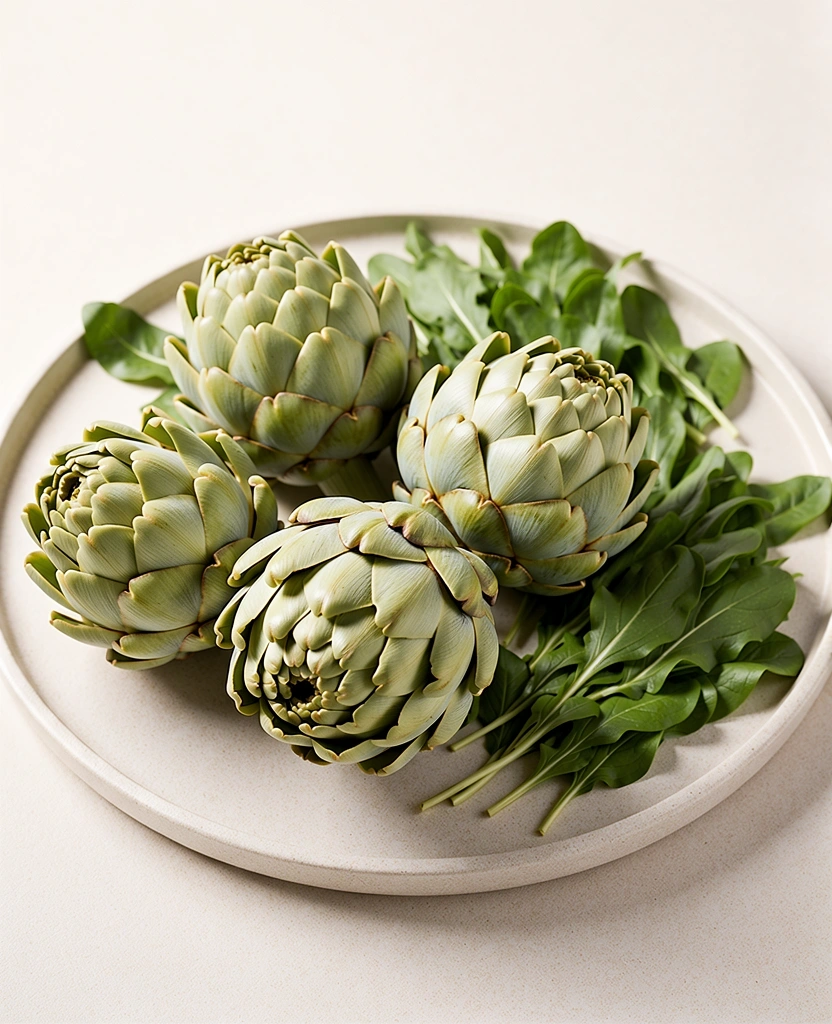
Renewal: The Spring Harvest
As soil temperatures rise, we see the arrival of nutrient-dense greens and stalks. Focus on crops that require minimal processing to retain their crisp vitality.
- Asparagus
- Sweet Peas
- Radishes
- Watercress
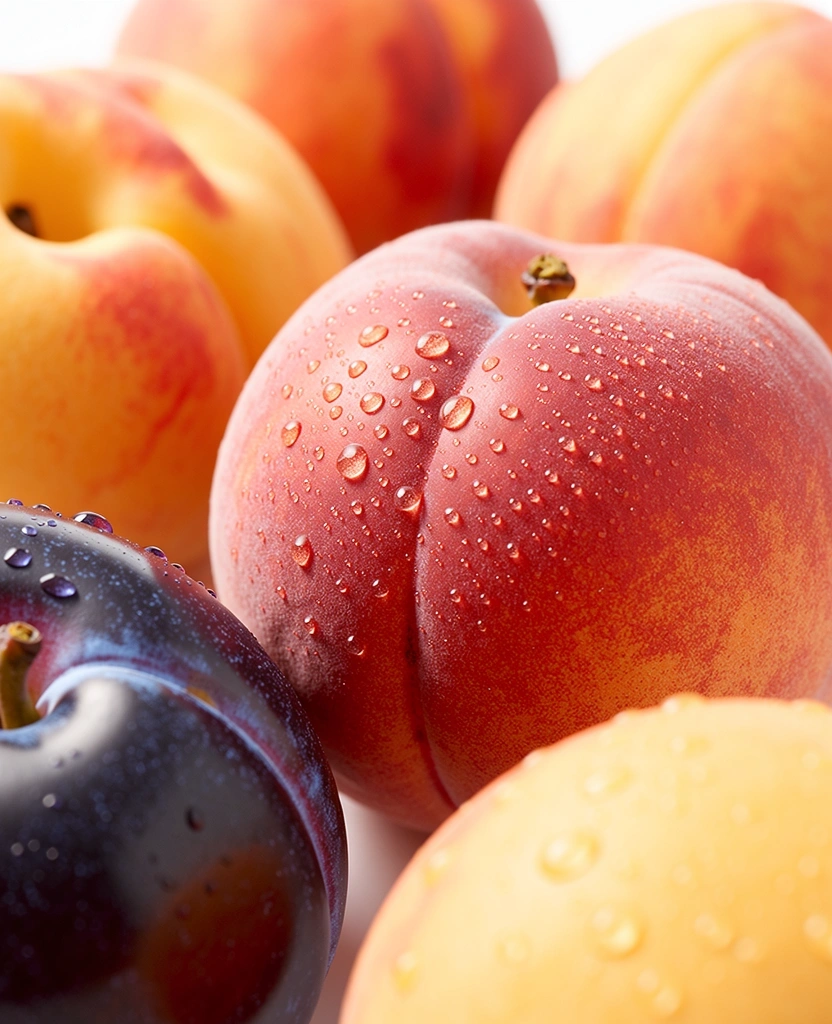
Abundance: The Summer Peak
Peak heat brings the highest sugar content in fruits and the most robust variety in vegetables. This is the optimal time for raw preparation and preservation for the months ahead.
- Heirloom Tomatoes
- Stone Fruits
- Corn
- Berries
Practical Wisdom: Farmers Market Tips
Arrive with an Open Mind
Let the availability of ingredients dictate your menu rather than searching for specific items that might not be at their best. If the kale looks tired but the Swiss chard is vibrant, pivot your plan.
Engage with Growers
Ask questions about peak freshness and preparation methods. Farmers often have technical knowledge on which varieties provide specific textures for different culinary uses.
Understand "Seconds"
Look for "ugly" produce or bulk offers for items destined for sauces, smoothies, or stocks. This reduces food waste and provides high-quality ingredients at a lower tier of cost.
Building Sustainable Eating Habits.
Sustainability in nutrition isn't about perfection; it's about intentionality. By understanding the climate of your region and the effort required to bring food to your table, you develop a more appreciative and mindful relationship with nutrition.
At Wellness Daily Guide, we provide the framework to help you navigate these choices without feeling overwhelmed. Start small—try swapping one out-of-season produce item for a local alternative this week and notice the difference in quality and energy.
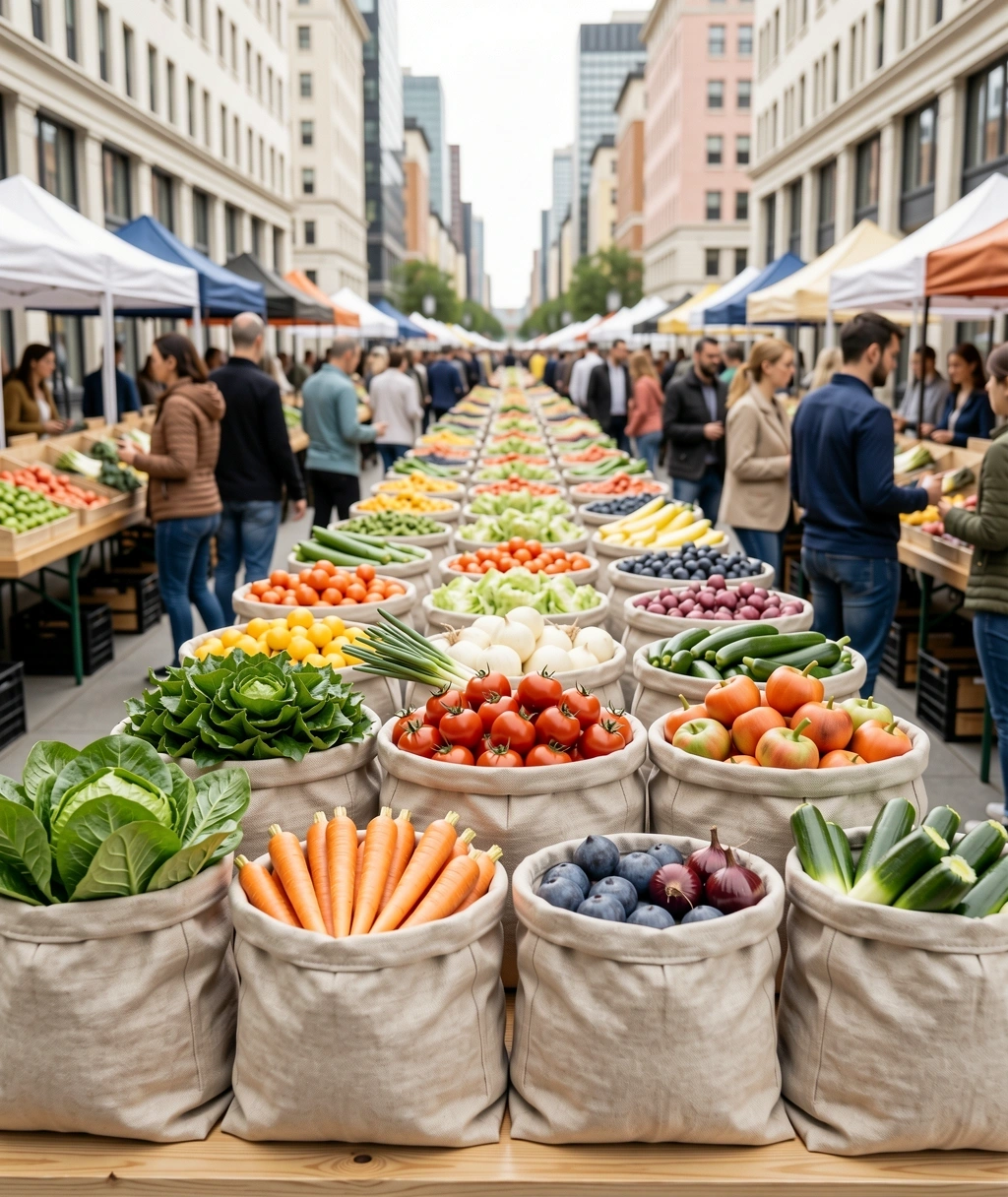
Mindful Connection
Supporting local growers keeps agricultural knowledge alive in our communities.
Ready to redefine your plate?
Join our community to receive updates on shifting seasonal cycles and practical advice for maintaining a balanced, fresh diet year-round.